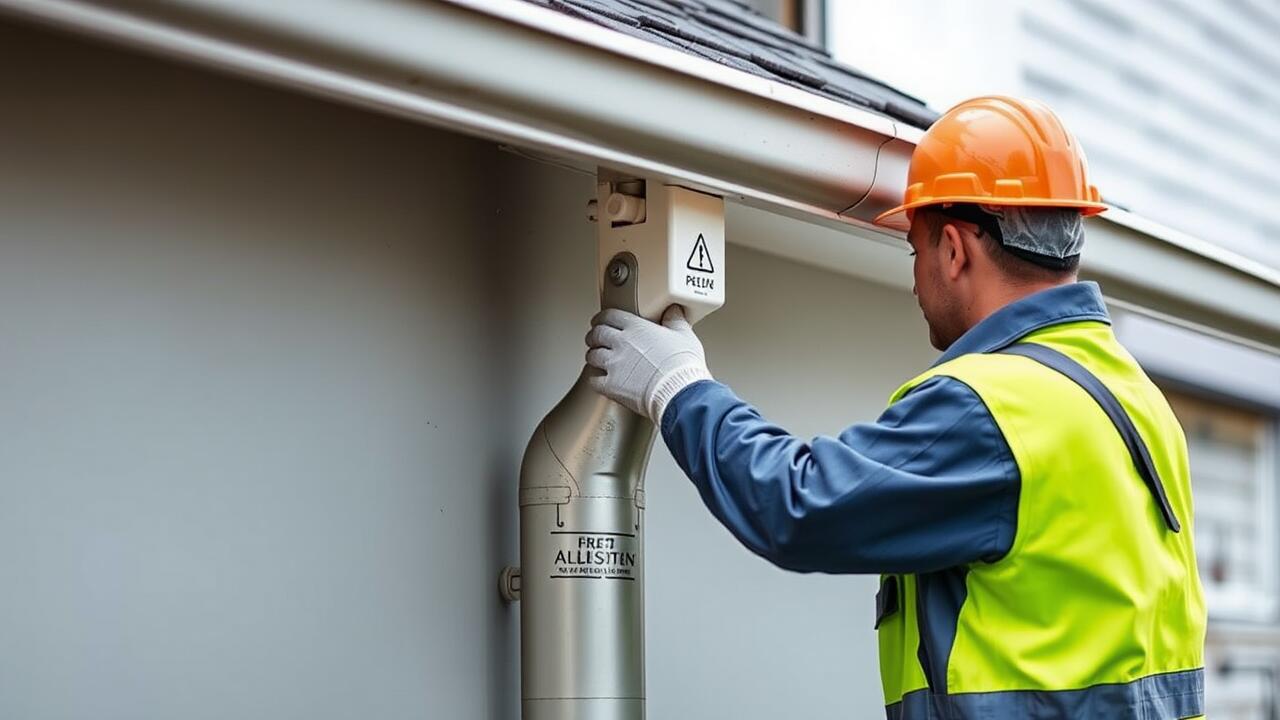
Connecting the Downspout to the Drainage System
Connecting the downspout to the drainage system is a crucial step in ensuring effective water management around your home. Proper alignment facilitates smooth water flow from the roof into the gutter system and ultimately to the underground drainage. When performing downspout replacement, make sure the downspout extends sufficiently away from the foundation to prevent water pooling and potential damage. It’s important to check the angles and make any necessary adjustments to ensure a direct path for water to follow.
When attaching the downspout, use the appropriate fittings to create secure connections. Plastic and metal options are available, so consider which will best suit your existing drainage system. Sealing any joints or seams with silicone or waterproof tape can provide an added layer of protection against leaks. Regular inspections of the downspout connections will help identify any issues early on and maintain the system's efficiency.
Ensuring Proper Water Flow
Proper water flow is crucial when considering downspout replacement. Ensuring that the downspout is correctly aligned with the gutters allows for smooth drainage. Any misalignment can lead to water pooling or overflowing, defeating the purpose of having a functional drainage system. It is important to check for any obstructions, such as debris or leaves, that could impede the flow of water. Cleaning the downspouts regularly helps maintain efficiency and prevents potential water damage to your home.
Additionally, the downspout should lead water away from the foundation of the house. Positioning it at an appropriate distance is essential to prevent flooding in basements or crawl spaces. Using extenders when necessary can help direct water further away from the structure. These steps are vital to ensure that your new downspouts effectively manage rainwater and contribute to the overall health of your property. Proper installation techniques during downspout replacement will play a key role in long-term performance.
Choosing the Right Downspout Material
Selecting the right material for your downspout is crucial for ensuring durability and efficiency. Common options include aluminum, vinyl, copper, and galvanized steel. Each material comes with its own set of advantages and disadvantages. Aluminum is lightweight and resistant to rust, making it a popular choice. Vinyl is more affordable and easy to install, but it may not hold up as well in extreme weather. Copper offers a unique aesthetic appeal and longevity but is often more expensive.
When planning a downspout replacement, consider the local climate and your home's architecture. Higher durability materials may be necessary in areas with heavy rain or snow. Cost should also factor into your decision, as some materials may require a larger initial investment but can save money long-term on maintenance and replacement. Understanding these characteristics can guide you toward making the right choice for your downspout's longevity and performance.
Pros and Cons of Different Materials
When considering downspout replacement, the choice of material can significantly impact both functionality and aesthetics. Aluminum is lightweight, resistant to rust, and often available in various colors, making it a popular choice among homeowners. Vinyl, on the other hand, is highly resistant to dents and can be an affordable option. Copper downspouts add a touch of elegance, but they come with a higher price tag and can require more maintenance over time.
Each material also presents its own set of drawbacks. Aluminum may bend or get damaged under harsh weather conditions, while vinyl can become brittle and fade from prolonged sun exposure. Copper, while attractive, can be susceptible to corrosion and may not be suitable for areas with extreme weather changes. Weighing these pros and cons is essential for a successful downspout replacement that meets both functional requirements and design preferences.
Maintenance Tips for Downspouts
Regular maintenance of your downspouts is essential for preventing blockages and ensuring efficient water flow. To keep your system in good condition, inspect the downspouts and gutters at least twice a year. Remove any debris such as leaves or dirt that may accumulate and impede water movement. Pay attention to the connections where the downspout attaches to the drainage system, as these areas can often be prone to clogs. A thorough cleaning can save you from more significant issues and costly downspout replacement in the future.
It is also beneficial to check for signs of corrosion or damage, especially if your downspouts are made of metal. Look for rust spots or loose fittings that could lead to leaks. When assessing the longevity of your downspout, consider the material used. Some materials require more upkeep than others. Keeping a maintenance schedule and being proactive about repairs can extend the life of your downspouts and reduce the need for extensive downspout replacement work later on.
Keeping Your System in Good Condition
Regular maintenance is essential for keeping your downspout system in good condition. Clogs can develop from leaves, dirt, and debris, leading to water overflow and potential damage to your home’s foundation. To prevent such issues, inspect your downspouts periodically, especially during the fall season when leaves are more likely to accumulate. Cleaning them out with a garden hose or a plumber's snake can help maintain proper water flow. If damage is observed, prompt attention is necessary to avoid more costly repairs later on.
When considering downspout replacement, choosing materials that withstand the elements can prolong the life of your system. Aluminum and vinyl are popular options due to their durability and resistance to rust. Regular inspection of joints and connections is also beneficial, as these areas are prone to wear over time. By staying proactive about maintenance and addressing any issues early, you can ensure that your drainage system functions effectively for years to come.
FAQS
Can I replace a downspout myself, or should I hire a professional?
You can replace a downspout yourself if you have basic DIY skills and the right tools. However, hiring a professional is advisable if you're unsure about the process or if your home has complex drainage needs.
What tools do I need to replace a downspout?
Common tools required for replacing a downspout include a screwdriver, a hacksaw or tin snips, a measuring tape, and a level. Additionally, having sealant and brackets may be necessary for proper installation.
How do I know which downspout material is best for my home?
The best downspout material for your home depends on factors like durability, aesthetics, and budget. Popular options include aluminum, vinyl, and copper, each with its pros and cons.
What are some maintenance tips for keeping downspouts in good condition?
Regular maintenance tips include cleaning out debris, checking for leaks or damage, and ensuring that downspouts are securely connected to the drainage system. It's also a good idea to inspect them at least twice a year.
What should I do if my downspout is leaking?
If your downspout is leaking, check for loose connections or damaged sections. You may need to tighten screws, replace seals, or cut out and replace a damaged piece of the downspout. If the problem persists, consider consulting a professional.