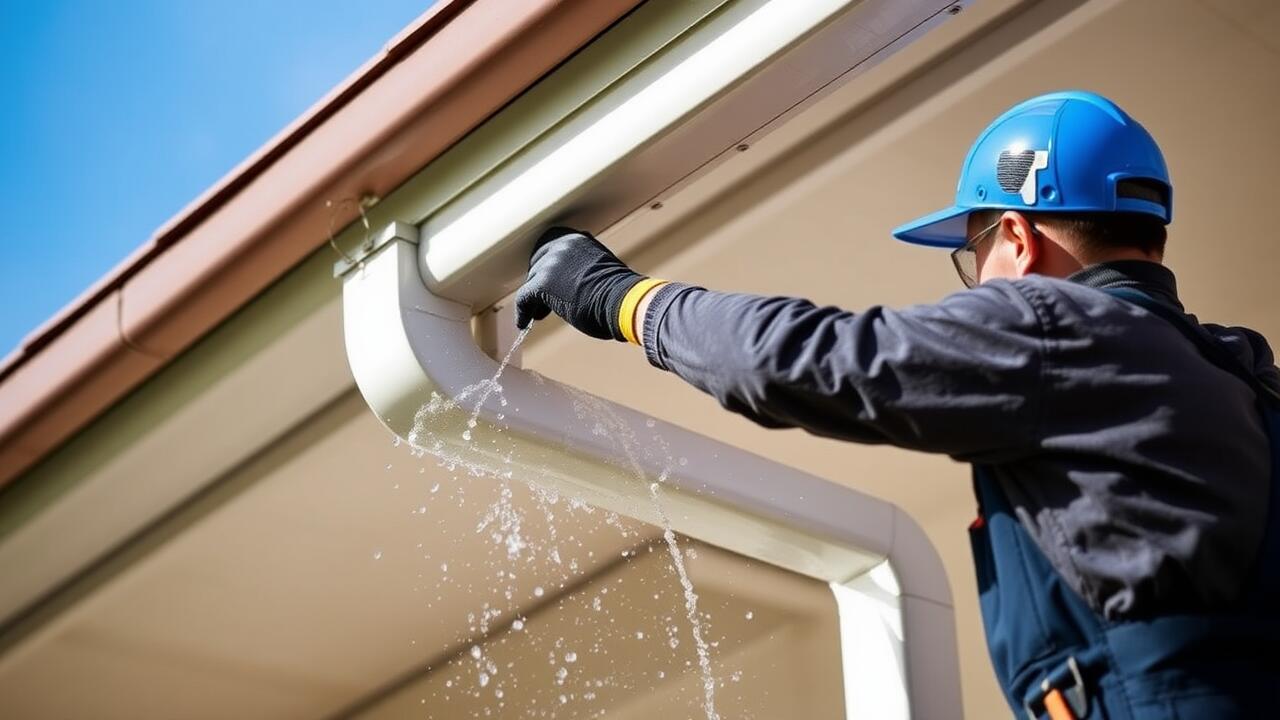
At National Gutters, we understand that a well-functioning drainage system is crucial for the longevity of your home. Our Downspout Cleaning service is designed to ensure that your gutters continue to channel water away from your property efficiently. Over time, downspouts can become clogged with leaves, debris, and even small animals, leading to potential overflow and water damage. Our skilled technicians use specialized tools and techniques to thoroughly clear out any blockages, ensuring that rainwater flows freely through your gutters. With our commitment to quality and customer satisfaction, you can trust National Gutters to keep your home safe and dry, no matter the weather.
How Often Should You Clean Your Downspouts?
Regular cleaning of downspouts is essential to ensure efficient water flow away from your home. Debris, leaves, and grime can accumulate over time, leading to blockages that may cause water to overflow. Homeowners should inspect their downspouts at least twice a year, preferably during the spring and fall seasons. This schedule allows for the removal of seasonal debris and helps to prevent potential water damage to the foundation.
In areas with frequent storms or heavy rainfall, more frequent cleaning might be necessary. If you notice any signs of blockage, such as water pooling around the downspouts during heavy rain, it’s a clear indication that a cleaning is overdue. Taking proactive measures will safeguard your home’s exterior and maintain the integrity of the gutter system. Additionally, keeping an eye on the condition of your downspouts will help you identify when maintenance is needed before issues escalate.
Recommended Maintenance Schedule
Regular maintenance of downspouts is essential for preventing blockages and ensuring proper water drainage. Homeowners should aim to inspect their downspouts at least twice a year, particularly in the spring and fall. These seasons are ideal for catching debris buildup from leaves, twigs, and dirt after heavy rain or seasonal changes. Additionally, after severe storms or strong winds, a quick check can help identify any immediate issues that may arise.
Cleaning downspouts should be part of an overall gutter maintenance routine. In regions prone to heavy snowfall or rain, more frequent inspections may be necessary to avoid ice buildup or clogs. It's also wise to monitor the functionality of downspouts after heavy rainfall events. Ensuring that water flows freely away from the foundation can prevent costly structural issues in the future.
Common Downspout Problems and Solutions
Clogs in downspouts frequently create significant drainage issues. Debris such as leaves, twigs, and dirt can accumulate, obstructing water flow and potentially causing backups. This can lead to water pooling around the foundation of a home, which not only undermines the structural integrity but may also encourage mold growth. Regular inspection and cleaning can help prevent these clogs, ensuring that water is directed away from the building effectively.
Another common issue is the disconnect or misalignment of downspouts. Over time, weather conditions and the settling of a home can cause sections of the downspout to pull apart or bend. This misalignment can result in inefficient drainage, allowing water to spill out near the foundation instead of being guided away. Realigning or securely reconnecting the downspout sections is essential for optimal performance and to avoid damage to the property.
Troubleshooting Common Issues
Downspouts can face various issues that may lead to inefficiency in managing rainwater. Clogged downspouts often result from debris such as leaves, dirt, and twigs accumulating over time. If you notice water pooling around your foundation or overflowing from the gutters, it's a clear sign that a blockage has occurred. Regular inspection and clearing of the downspouts can prevent extensive damage and maintain proper drainage.
Another common issue is improperly angled downspouts which can redirect water back toward the house rather than away from it. Ensuring that downspouts are sloped away from your home's foundation is crucial. If necessary, adjust the angle or extend the downspout further to improve drainage. In some cases, check for rust or damage in metal downspouts, as these can weaken the system and lead to leaks. Addressing these problems promptly can save homeowners from significant repair costs in the future.
The Role of Downspouts in Gutter Systems
Downspouts are essential components of a gutter system, guiding rainwater away from the roof and foundation of a building. Their primary function is to prevent water accumulation that can lead to structural damage, mold growth, and landscape erosion. By directing runoff to designated drainage areas, downspouts help maintain the integrity of a home or commercial property, ensuring it withstands inclement weather without adverse effects.
The efficiency of a gutter system hinges on the proper installation and maintenance of downspouts. Blocked or improperly positioned downspouts can lead to overflow and backflow issues in gutters, causing potential water damage and costly repairs. Regular inspections and cleaning of downspouts, coupled with strategic placement, are vital in promoting effective water management and prolonging the life of the entire gutter system. Properly functioning downspouts contribute significantly to the overall health and safety of a property.
Understanding Their Functionality
Downspouts play a crucial role in directing rainwater away from your home’s foundation. By channeling water from the gutters down and away from the structure, they help prevent various issues, such as mold growth and erosion. This system is designed to manage water effectively, mitigating the risk of water pooling around the foundation, which can lead to significant structural damage over time.
Additionally, downspouts work in conjunction with gutters to ensure that rainwater is captured and transported efficiently. Properly functioning downspouts contribute to the overall health of the gutter system, minimizing the chances of clogs and overflow during heavy rainfall. Routine maintenance and cleaning are essential to keep this system operational, ensuring that downspouts function as intended and continue to protect your home from water-related problems.
FAQS
How often should I clean my downspouts?
It is recommended to clean your downspouts at least twice a year, preferably in the spring and fall, to ensure proper water flow and prevent clogs.
What are some signs that my downspouts need cleaning?
Signs that your downspouts may need cleaning include water overflowing from the gutters, visible debris in the downspouts, or water pooling near the foundation of your home.
What tools do I need for downspout cleaning?
Typical tools for cleaning downspouts include a ladder, a garden hose, a plumber's snake or auger, and protective gloves. You may also want a flashlight to inspect the interior of the downspout.
Can I clean my downspouts myself, or should I hire a professional?
You can clean your downspouts yourself if you feel comfortable and have the necessary tools. However, hiring a professional is recommended if you are unsure or if the downspouts are hard to access.
What are some common downspout problems?
Common downspout problems include clogs caused by leaves and debris, misalignment or damage to the downspout, and improper drainage leading to water pooling around the home.