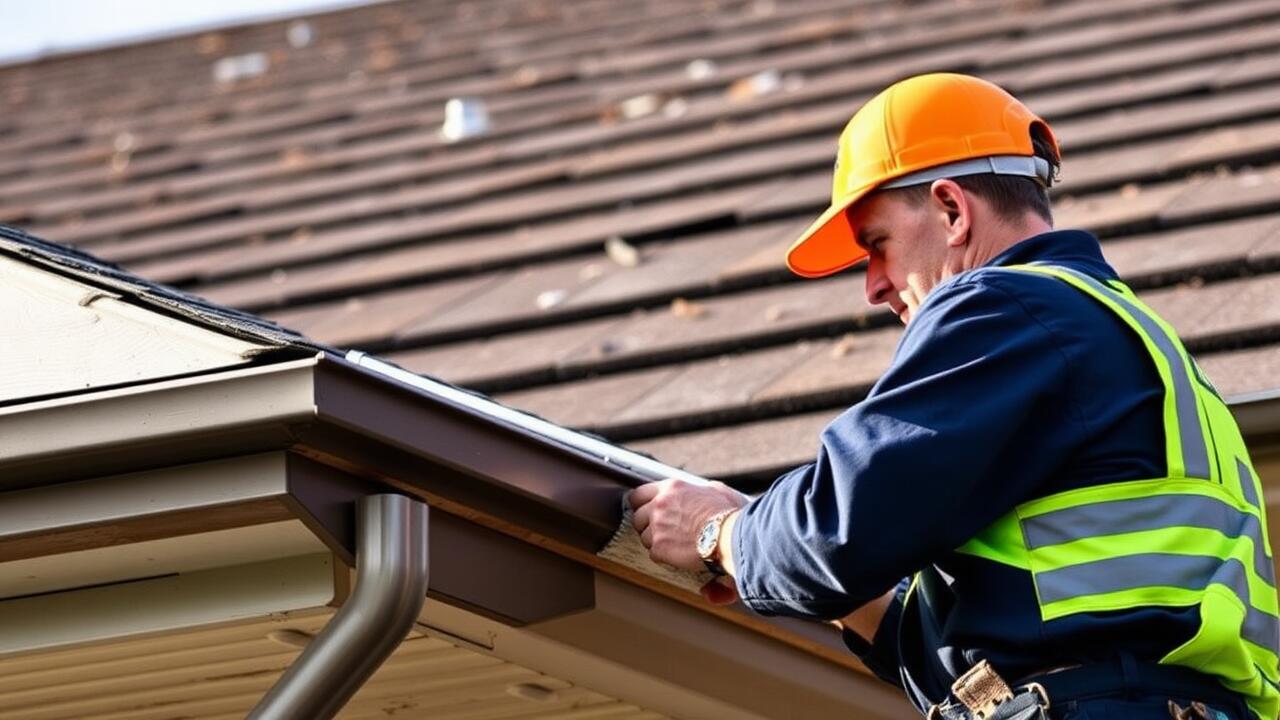
At National Gutters, we understand that properly functioning gutters are essential for protecting your home from water damage and maintaining its structural integrity. Our Gutter Replacement service is designed to provide homeowners with peace of mind by replacing old, worn-out gutters with high-quality, durable materials that ensure optimal performance. Our team of experienced professionals conducts a thorough assessment of your current gutter system, identifying any issues that may compromise its efficiency. We offer a variety of styles and colors to suit your home's aesthetic while utilizing advanced techniques to guarantee a secure installation. Trust National Gutters to enhance the reliability of your drainage system and safeguard your property with our exceptional Gutter Replacement services.
Maintenance Tips for New Gutters
Regular inspections of your new gutters are essential for maintaining their optimal performance. Make it a habit to check for debris accumulation, especially after heavy storms or during the fall season when leaves can easily clog the system. Cleaning the gutters at least twice a year helps prevent water damage and extends their lifespan. Every now and then, verify that all brackets and hangers are secure, ensuring the gutters remain firmly in place.
Applying a sealant can also enhance the durability of your gutters. Over time, joints may weaken, leading to leaks and water overflow. A quality sealant can help protect these vulnerable areas and reduce the need for extensive repairs. Additionally, consider installing gutter guards to minimize the amount of debris that enters your gutters. This proactive approach will significantly lessen the amount of maintenance required and promote efficient water flow.
Best Practices to Extend the Life of Your Gutters
Proper maintenance is essential for ensuring the longevity of your gutters. Regular inspections are necessary to identify and address issues such as clogs and leaks before they escalate into costly repairs. Cleaning gutters at least twice a year, ideally in spring and fall, helps prevent the buildup of leaves, debris, and dirt that can hinder water flow. Additionally, ensuring that downspouts direct water away from the foundation of your home can prevent the risk of water damage and structural problems.
Investing in gutter guards can also enhance their lifespan. These guards act as a barrier that keeps out debris while allowing water to flow freely. This can significantly reduce the frequency of cleaning needed and minimize the risk of clogs. Moreover, choosing high-quality materials, such as aluminum or copper, can provide better durability against weather-related wear and tear. Regularly checking sealants and fasteners ensures they maintain their effectiveness over time.
Impact of Weather on Gutter Longevity
Weather conditions play a significant role in determining how long gutters will last. Rain and snow can cause excessive stress on the system, leading to rust, corrosion, and potential blockages. In temperate regions, fluctuating temperatures can also be problematic. These variations may cause materials to expand and contract, eventually impairing the integrity of the gutters.
High winds present another challenge, as they can dislodge gutters or create debris buildup that obstructs water flow. Hurricanes and storms introduce even more severe risks by overwhelming drainage systems. Regular inspections and maintenance become essential in harsh weather conditions to ensure that gutters can withstand environmental pressures and function effectively.
How Climate Affects Gutter Performance
Temperature fluctuations can significantly influence gutter performance. In regions experiencing harsh winters, accumulating snow and ice can cause gutters to freeze, leading to potential damage. In warmer climates, excessive heat may warp and deteriorate gutters made from certain materials over time. Understanding these environmental factors is crucial for homeowners looking to maintain their gutter systems effectively.
Rainfall patterns also play a vital role in gutter functionality. Areas with heavy rainfall require robust gutters capable of handling increased water flow. On the other hand, regions prone to drought might experience issues with debris accumulation when gutters are seldom cleaned out. Knowing the local climate can guide homeowners in selecting materials and maintenance practices that suit their geographical conditions.
Choosing the Right Gutter Style
Selecting the appropriate gutter style is vital for both functionality and aesthetics. Homeowners can choose from several options, including K-style, half-round, and box gutters. K-style gutters are popular due to their seamless design and ability to hold more water, making them a practical choice for many homes. Half-round gutters, characterized by their semicircular shape, offer a classic appearance and work well in traditional architecture. Box gutters provide a more modern look and integrate seamlessly into the roofline, which can enhance the overall design of a home.
Each style has its own set of advantages and considerations. K-style gutters tend to be easier to install and are often more affordable. Meanwhile, half-round gutters may require more frequent maintenance due to their shape, which can lead to debris accumulation. Box gutters provide efficient drainage but might necessitate specialized installation. Assessing the specific needs of your home and considering factors such as local climate, architectural style, and maintenance preferences can guide you in making the best choice for your gutter system.
Overview of Popular Gutter Styles and Their Benefits
There are several popular gutter styles that homeowners can choose from, each offering unique benefits. K-style gutters, with their flat bottom and decorative profile, blend well with modern architecture. They can handle a high volume of water, making them suitable for areas with heavy rainfall. Additionally, half-round gutters provide a classic appeal and are often favored for older homes. Their curved shape facilitates efficient water flow, reducing the risk of clogs.
Choosing the right gutter style can also impact maintenance requirements. Seamless gutters minimize leaks by eliminating seams, which can be a common point of failure. Materials such as aluminum and copper are not only durable but also resistant to rust, extending their lifespan. Vinyl gutters, while lightweight and easy to install, may not be as sturdy in extreme weather conditions. Evaluating the different styles ensures homeowners select an option that meets both aesthetic preferences and practical needs.
FAQS
How often should I replace my gutters?
Generally, gutters should be replaced every 20 to 30 years, depending on the material and overall maintenance. However, signs of damage or wear may necessitate earlier replacement.
What are the signs that I need to replace my gutters?
Common signs include rust or corrosion, cracks or holes, sagging or pulling away from the house, and frequent clogs. If you notice water damage or stains on your walls or foundation, it may also indicate a gutter issue.
Can I install new gutters myself, or should I hire a professional?
While some homeowners may choose to install gutters themselves, hiring a professional is recommended for optimal placement and to ensure proper installation, especially for larger or more complex systems.
What is the best material for gutters?
The best material depends on your budget and preferences. Common options include aluminum, vinyl, steel, and copper. Each material has its own benefits regarding durability, maintenance, and cost.
How can I extend the life of my new gutters?
Regular maintenance, such as cleaning out debris, inspecting for damage, and addressing issues promptly, can significantly extend the life of your gutters. Additionally, installing gutter guards can help reduce clogging and maintenance needs.