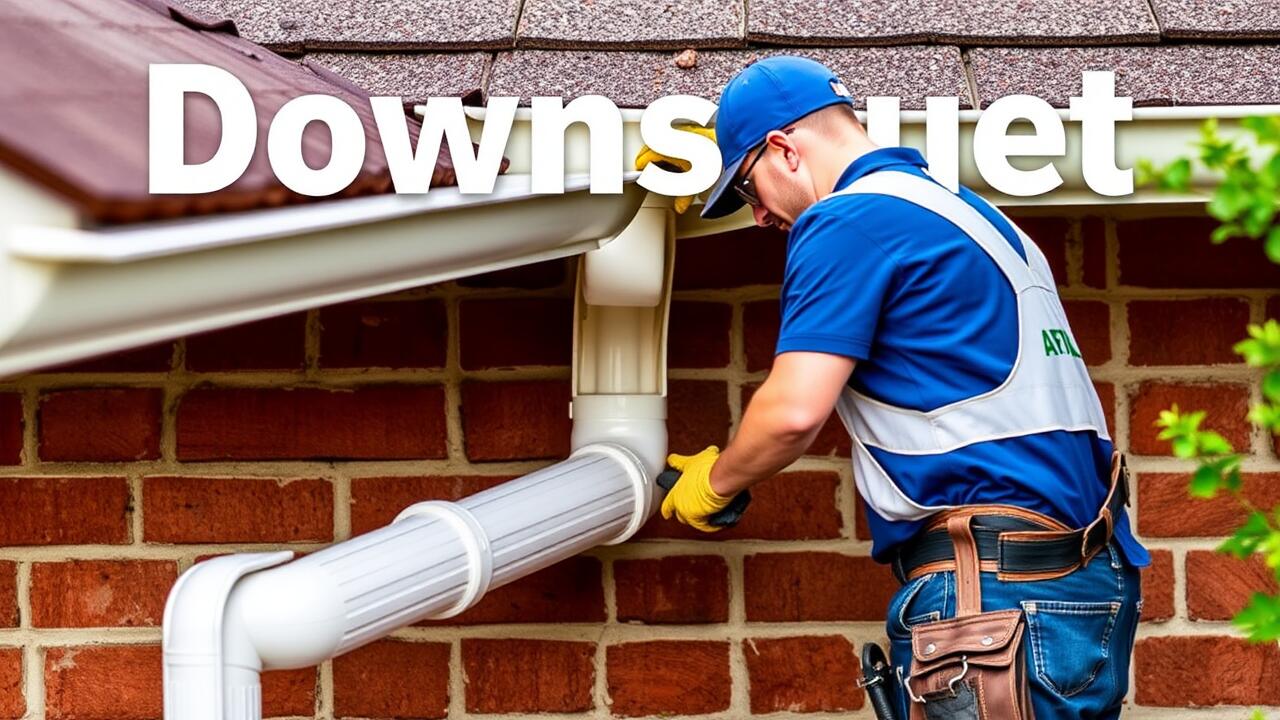
At National Gutters, we specialize in professional downspout installation to ensure your gutter system functions effectively and protects your home from water damage. Our experienced team understands the importance of directing rainwater away from your foundation, and we offer customized solutions to meet your specific needs. Using high-quality materials and advanced techniques, we ensure that our downspouts are not only durable but also seamlessly integrated into your home's exterior. Whether you're looking to replace old, inefficient downspouts or install new ones for enhanced drainage, National Gutters is dedicated to providing reliable service and exceptional results, safeguarding your property for years to come.
Maintenance Tips for Downspouts
Regular maintenance is crucial for effective downspout function. Inspect downspouts at least twice a year. Look for any signs of clogs, such as water pooling around the foundation. Remove debris like leaves and dirt, which can obstruct water flow. A thorough cleaning will prevent damage not only to the downspouts but also to your home’s foundation and landscaping.
It is also important to check the connections between the downspouts and gutters. Ensure that they are secure and free of any leaks. If you notice any issues, address them promptly to maintain an efficient drainage system. Consider installing protective measures such as screens or filters to reduce the likelihood of future blockages. Proper care will extend the lifespan of your downspouts and safeguard your property from water-related problems.
Keeping Your Downspouts Free of Clogs
Regular inspections of your downspouts play a crucial role in preventing clogs. Leaves, twigs, and debris often accumulate in these systems, obstructing water flow. By checking for blockages, homeowners can quickly identify and address any issues before they escalate. It is advisable to clear out any visible debris and ensure that the downspout’s outlet is unobstructed.
Using a strainer or mesh guard at the top of each downspout can significantly reduce the risk of clogs. These protective devices help filter out larger debris while still allowing water to flow freely. Routine maintenance, including cleaning the gutters and inspecting the downspouts, should be part of a homeowner's seasonal tasks. This proactive approach not only prevents clogs but also prolongs the life and efficiency of the entire gutter system.
Best Practices for Downspout Placement
Proper placement of downspouts is crucial for optimal gutter performance and effective water management around your property. Ideally, downspouts should be positioned on corners of your home to maximize water drainage. This positioning helps to redirect rainwater away from the foundation, minimizing potential water damage and erosion. It's also important to consider personal preferences and landscaping when determining the best location.
Another essential aspect involves ensuring that the downspouts direct water at least three to five feet away from the home’s foundation. This distance can prevent pooling around the base of the house, which may lead to serious structural issues over time. To further aid in this process, homeowners should consider utilizing extensions or splash blocks that facilitate the movement of water away from the foundation. Implementing these best practices can lead to a more effective system that protects your home in varying weather conditions.
Ensuring Proper Water Drainage
Proper water drainage is crucial for maintaining the integrity of your home's foundation. When downspouts are positioned correctly, they channel roof runoff away from the base of the house, minimizing the risk of water pooling near the structure. This pooling can lead to a variety of issues, including foundation erosion and mold growth. Consequently, ensuring that your downspouts have sufficient distance from your home is essential for long-term protection.
Additionally, consider the slope of the ground surrounding your property. A slight incline can facilitate better runoff, directing water further away from your foundation. If your landscape is flat, water may tend to stagnate, increasing the likelihood of drainage problems. Periodic adjustments to your downspout placements or landscape grading may be necessary to maintain optimal drainage and protect your home from water damage.
Impact of Weather on Downspout Installation
Weather plays a significant role in determining the best time for downspout installation. Extreme temperatures can affect the materials used in gutters and downspouts. Installing during freezing conditions may lead to challenges with materials like vinyl, which can become brittle. Conversely, high temperatures can cause metal downspouts to expand, potentially leading to warping or damage if not properly handled.
Rainy seasons present additional considerations as well. Wet ground can complicate the installation process, impacting the structural integrity of the work. It’s essential to evaluate the weather forecast and plan installations during periods of dry weather whenever possible. This not only facilitates a smoother installation but also ensures that drainage systems function effectively from the outset.
When to Schedule Your Installation
Choosing the right time for downspout installation is critical for optimal performance. Spring and fall are typically the best seasons, as they offer moderate temperatures and minimal interference from extreme weather. Installing during these seasons allows for the best ground conditions, which ensures proper drainage and reduces the likelihood of soil erosion.
Avoid scheduling installation during periods of heavy rainfall or extreme heat, as these conditions can complicate the process. Plan ahead and consider any landscaping projects that may coincide with the installation. Ensuring that your downspouts are in place before the rainy season starts will help protect your home's foundation and prevent potential water damage.
FAQS
What is the purpose of a downspout?
A downspout is designed to direct rainwater collected from the roof gutters away from the foundation of a building, helping to prevent water damage and erosion.
How often should I clean my downspouts?
It is recommended to clean your downspouts at least twice a year, typically in the spring and fall, to ensure they remain free of clogs and function properly.
What are the best practices for downspout placement?
Downspouts should be placed at least 6 to 10 feet away from the foundation and directed towards a drainage area to ensure proper water drainage and to prevent flooding around the home.
Can weather affect downspout installation?
Yes, weather conditions such as heavy rain or snow can impact the timing and effectiveness of downspout installation. It is best to schedule the installation during dry weather for optimal results.
What materials are commonly used for downspouts?
Common materials for downspouts include aluminum, vinyl, steel, and copper, each offering different benefits such as durability, cost, and aesthetic appeal.