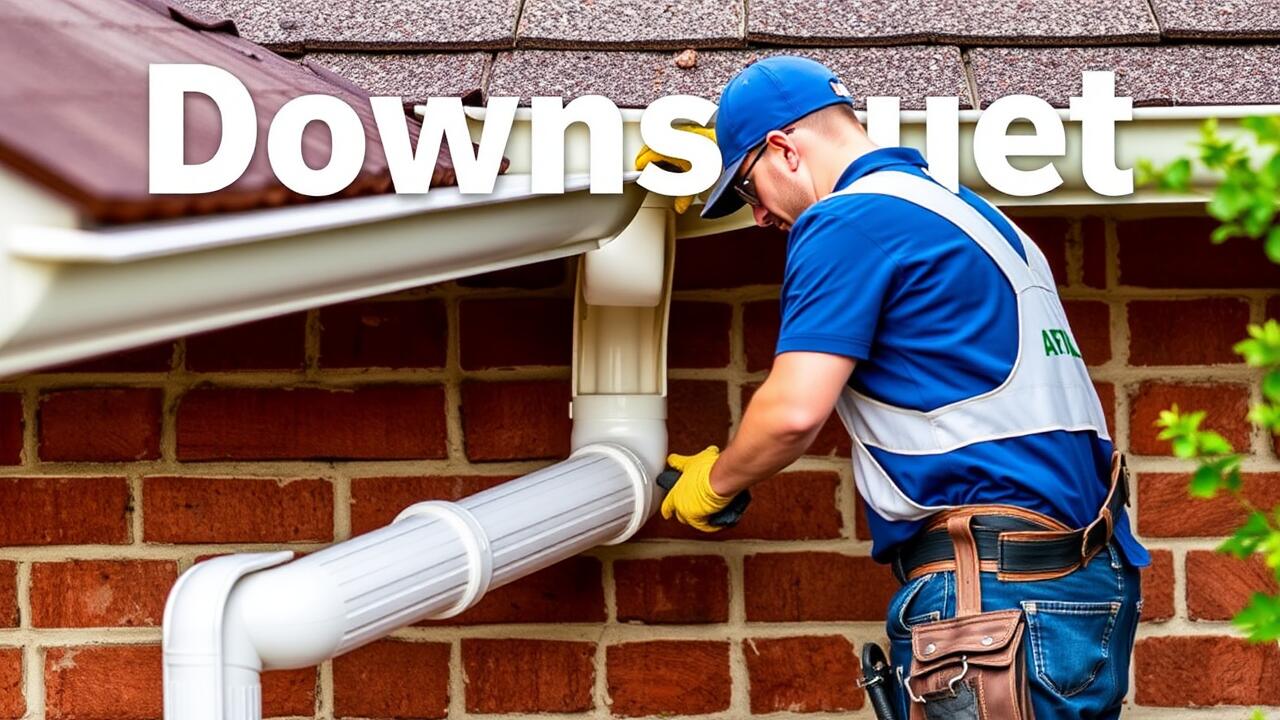
Attaching the Downspout to Gutters
To initiate a proper downspout installation, begin by positioning the downspout’s bottom end into the designated outlet of the gutter. Ensure that the fitting aligns well with the gutter’s opening, as this connection is crucial for effective water drainage. A snug fit will prevent leaks and ensure that rainwater flows smoothly from the gutter into the downspout. Many systems offer pre-cut holes or extendable outlets, making alignment straightforward. Taking time to adjust for correct angling will enhance the overall function.
Once the downspout is in place, use a combination of pop rivets or sheet metal screws to secure the downspout to the gutter. This fastening method strengthens the connection and enhances durability. It is essential to check that the screws penetrate into robust material for maximum stability. Regular inspection following installation can identify any loosening or gaps, ensuring the integrity of the downspout installation remains intact over time.
Secure Connections and Fastening
Ensuring secure connections during downspout installation is crucial for preventing leaks and maintaining the system's efficiency. Start by aligning the downspout snugly against the gutter outlet, making sure it fits tightly without gaps. Use sheet metal screws or pop rivets to attach the downspout to the gutter, providing a firm hold that will withstand wind and rain. If any seams or junctions exist, apply silicone caulk to seal the joints. This added measure enhances durability while preventing water from escaping and causing unwanted damage.
Fastening the downspout to the wall is another important step in guaranteeing stability. Use brackets or straps specifically designed for this purpose, placing them every 4 to 6 feet along the length of the downspout. Ensure they are securely anchored into the wall structure. When properly fastened, the downspout remains in place during heavy rainfall and windstorms. This focus on secure connections and fastening ultimately contributes to the overall effectiveness and longevity of the downspout installation.
Installing the Downspout Extension
Proper installation of a downspout extension is crucial for effective water management. Extensions typically connect to the bottom of the downspout, guiding rainwater away from the foundation of the home. This step in the downspout installation process ensures that water is diverted effectively, minimizing the risk of basement flooding and soil erosion around the property. Choosing the appropriate material for the extension is essential; options include seamless aluminum, plastic, or vinyl, each offering varying durability and maintenance requirements.
When installing the downspout extension, it’s important to position it so that water flows freely away from the house. A slope of at least 5-10 feet from the foundation is ideal for redirecting runoff. Additionally, securing the extension with stakes or brackets can prevent it from shifting or disconnecting during heavy rainfall. Consider adding a splash block at the end of the extension to further control the water flow and protect your landscaping.
Options for Effective Water Diversion
When considering effective water diversion during downspout installation, various options can enhance the drainage system's performance. A common choice is the addition of a downspout extension, which directs water away from the foundation of the home. This simple yet impactful component helps prevent potential water damage in basements and crawl spaces. In some cases, flexible extensions can be used, allowing homeowners to easily adjust the direction of water flow based on their landscape needs.
Another option involves the integration of drainage pipes that connect to the downspout. This approach can lead water further away from the structure, minimizing the risk of erosion and pooling around the foundation. Some homeowners opt for splash blocks, which help to dissipate water flow at the base of the downspout. Regardless of the chosen method, effective water diversion during downspout installation plays a critical role in maintaining the integrity of the property's exterior.
Securing the Downspout to the Wall
Securing the downspout to the wall is a vital step in the overall downspout installation process. This ensures that the system can withstand wind and weather conditions while effectively directing water away from the foundation of the home. Start by positioning the downspout against the wall and marking the location for the bracket or straps that will hold it in place. Use a level to ensure that the downspout remains straight as you mark the spots for securing it.
Once you have marked the locations, drill pilot holes into the wall to make installation easier. Attach the brackets or straps using appropriate screws or anchors, ensuring they fit securely. These metal brackets or straps should provide strong support to maintain stability. Regularly check the downspout's attachment and condition over time to prevent any issues that might arise from wear or shifting. Proper alignment and secure fastening are essential to facilitating effective drainage and protecting your home.
Best Practices for Stability
Proper stability is crucial during downspout installation to ensure long-lasting performance. Securing the downspout to the wall with brackets or straps provides essential support. These should be spaced appropriately along the length of the downspout, typically every 5 to 6 feet. Using screws instead of nails enhances the connection's durability, especially in areas prone to heavy rain or wind.
In addition to securing the downspout, it's important to check for alignment and verticality. A level downspout not only enhances aesthetic appeal but also promotes effective water drainage. Ensuring that the downspout slopes slightly away from the house can help prevent potential water damage to the foundation. Taking these best practices into account during downspout installation will contribute to the overall efficiency of the gutter system.
FAQS
What tools do I need to install a downspout?
To install a downspout, you'll typically need a measuring tape, a level, a hacksaw or tin snips, a drill, screws or rivets, and a ladder for reaching higher areas.
Can I install a downspout myself, or should I hire a professional?
You can install a downspout yourself if you have basic DIY skills and tools. However, if you're uncomfortable with heights or the installation process, hiring a professional is recommended.
How do I ensure that my downspout is securely connected to the gutters?
To ensure a secure connection, make sure the downspout fits snugly into the gutter outlet. Use screws or rivets to fasten the downspout to the gutter, ensuring all connections are tight and stable.
What are the different options for downspout extensions?
Downspout extensions can include flexible tubing, rigid pipes, or splash blocks. Each option effectively directs water away from the foundation of your home, but the best choice depends on your yard's layout and drainage needs.
How do I prevent my downspout from pulling away from the wall?
To prevent your downspout from pulling away from the wall, use brackets or straps to secure it firmly in place. Additionally, ensure that your downspout is properly aligned and installed with the right slope for optimal drainage.