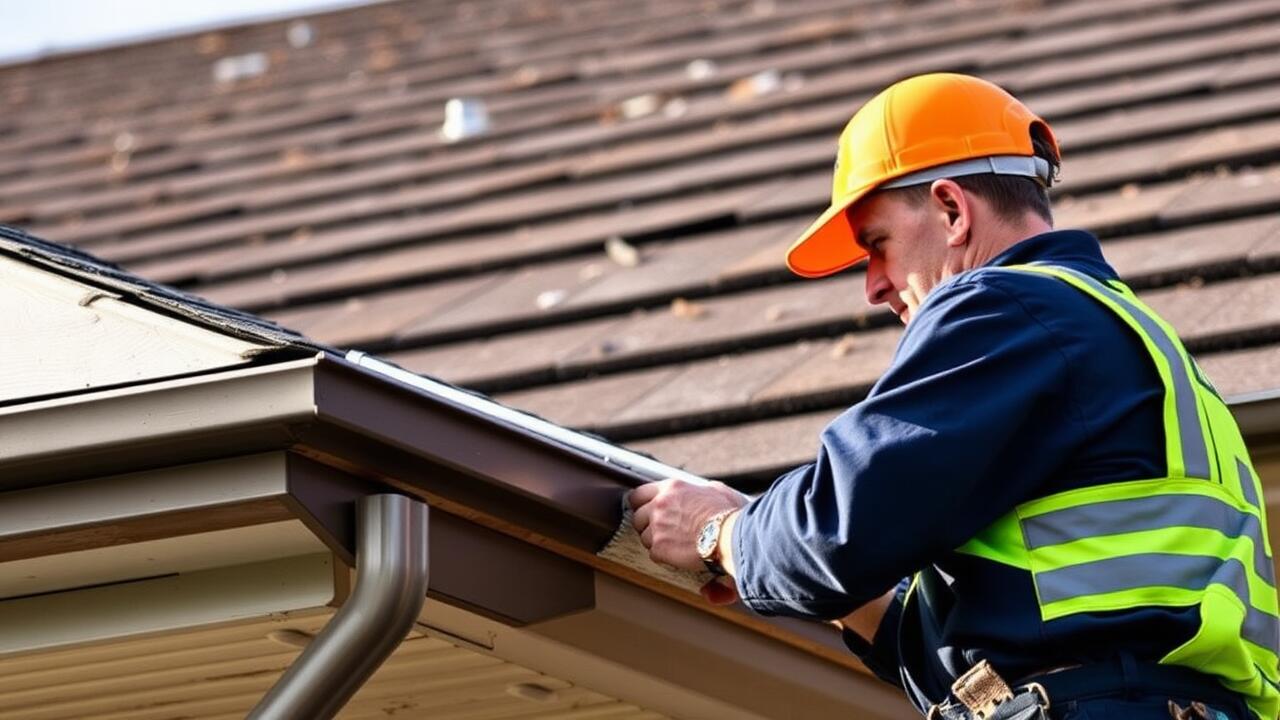
Comparing DIY vs. Professional Installation
When considering gutter replacement, homeowners often weigh the options between a DIY approach and hiring professional services. DIY installations can significantly reduce labor costs. Enthusiastic DIYers may appreciate the opportunity to customize their gutter system according to personal preferences and have the satisfaction of completing the project themselves. However, this method requires time, effort, and a certain level of skill to successfully execute.
On the other hand, professional installation provides expertise that can ensure proper fitting and functionality of the gutters. Professionals are knowledgeable about local building codes and may provide warranties for their work, which can give homeowners peace of mind. The initial investment is typically higher than doing it yourself, but the long-term benefits may outweigh this cost, especially when considering the potential for mistakes that could lead to future repairs.
Pros and Cons of Each Approach
Choosing between DIY gutter replacement and hiring a professional involves weighing several factors. DIY projects can save money on labor costs, and they provide homeowners with the satisfaction of completing a task independently. Moreover, tackling gutter replacement personally allows for flexible scheduling. However, the potential for mistakes during installation may lead to more significant expenses in the long run if the gutters do not function as intended. Additionally, the process can be physically demanding, requiring the right tools and safety precautions.
On the other hand, hiring a professional for gutter replacement comes with the assurance of expertise and experience. Professionals are more likely to understand local building codes and best practices, ensuring efficient and proper installation. This approach also saves time and mitigates the risk of injury associated with working at heights. However, the expense of hiring a contractor can be substantial and may strain a tight budget. Homeowners should carefully consider their situation before making a final decision.
Seasonal Factors That Affect Pricing
Seasonal changes can significantly influence the cost of gutter replacement. Demand for such services often peaks during certain times of the year, particularly in the spring and fall. During these seasons, homeowners tend to focus on home repairs and maintenance after winter damage or before heavy rains. This spike in demand may lead contractors to raise their prices, as their schedules fill up quickly.
Additionally, weather conditions can play a role in the overall expense of gutter replacement. Extreme heat in summer or heavy snowfall during winter can hinder installation efforts, causing delays and potentially increasing labor costs. Furthermore, certain regions face more severe weather patterns, prompting homeowners to invest in higher-quality materials or specialized services, which can also affect the total price of gutter replacement.
Best Times of Year for Gutter Replacement
When considering gutter replacement, timing can greatly influence both cost and effectiveness. Early spring often presents an ideal period for this project. The weather is typically mild, ensuring that installation can occur without interference from extreme temperatures or snow. This season also allows homeowners to address any damage before the heavy rains of summer, making it a practical choice.
Fall is another favorable time for gutter replacement. By this season, many homeowners are preparing for winter and may want to ensure that their drainage systems are in optimal condition. Investing in new gutters in the fall can prevent ice damming and water damage from accumulating snow and ice. Additionally, contractors may have more availability as the demand for services decreases after summer projects are completed.
Local Variations in Gutter Replacement Costs
Gutter replacement costs can vary significantly based on geographic location. Urban areas generally see higher labor and material costs due to increased demand for skilled professionals and transportation expenses. In contrast, rural regions may offer lower pricing structures, but may also have fewer options for suppliers and contractors, potentially affecting availability and quality of materials.
Local building codes and regulations can also impact the cost of gutter replacement. Certain municipalities mandate specific materials or designs, which can drive up expenses. Additionally, the overall economic conditions of the region, including the average income levels and competition among contractors, play a crucial role in determining pricing for gutter replacement. Homeowners should be aware of these variations when budgeting for their projects.
Understanding Regional Price Differences
Regional variations in gutter replacement costs can be influenced by several factors. Labor rates vary significantly across different parts of the country. In urban areas, for instance, homeowners might face higher installation expenses due to increased demand for services and elevated cost of living. Conversely, rural regions may offer more competitive pricing as businesses can operate with lower overhead costs.
Materials also play a crucial role in determining gutter replacement expenses within various locales. Availability of specific materials may fluctuate based on regional suppliers and shipping logistics. Certain architectural styles prevalent in different areas can necessitate custom solutions, thereby driving up costs. Understanding these regional distinctions helps homeowners better budget for their gutter replacement projects.
FAQS
How much does it typically cost to replace gutters around a house?
The cost to replace gutters can vary widely depending on materials, labor, and the size of your home, but homeowners can generally expect to pay between $1,000 and $2,500 for the entire project.
What factors influence the cost of gutter replacement?
Key factors include the type of materials used (e.g., aluminum, vinyl, copper), the length and height of the gutters, the complexity of the installation, and local labor rates.
Is it cheaper to install gutters myself or hire a professional?
DIY installation may save on labor costs, but professional installation ensures proper fitting and may include warranties. Ultimately, the decision will depend on your skill level, available tools, and time commitment.
What are the best times of year for gutter replacement?
The ideal times for gutter replacement are usually in the spring and fall when the weather is milder and contractors are less busy, which may also help in reducing costs.
How do regional price differences affect gutter replacement costs?
Local variations in labor costs, availability of materials, and regional climate can significantly influence the overall price of gutter replacement. Urban areas tend to have higher costs compared to rural regions due to demand and labor rates.